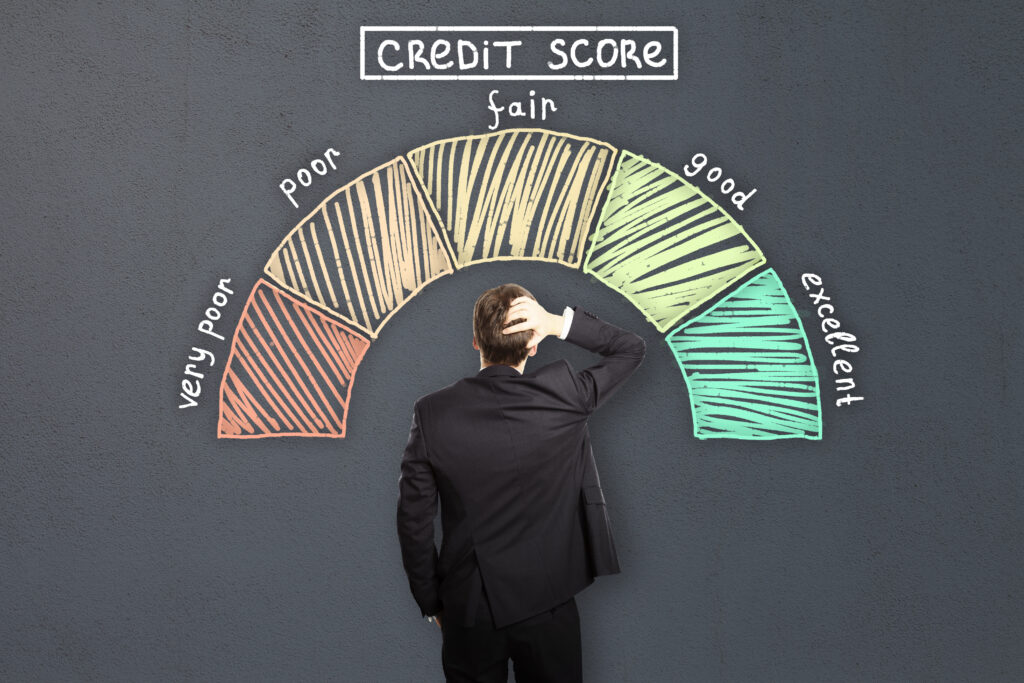
You Did Everything Right… So, Why Did Your Credit Go Down?
You never missed a payment.
You followed the contract.
You even paid extra when you could.
So when your credit score suddenly dropped, it felt like a punch in the gut.
It doesn’t seem fair — and honestly, it isn’t. But the truth is, timeshare debt behaves differently than normal consumer loans, and that difference can quietly drag your credit down even when you’re doing “everything right.”
Let’s break down how that happens — and what you can do about it.
1️⃣ Timeshare Debt Increases Your Utilization Ratio
One of the biggest factors in your credit score is credit utilization — the amount of credit you’re using compared to what’s available to you.
A timeshare loan adds a large balance to your credit profile, but unlike a traditional mortgage or revolving credit line, there’s no “available credit” buffer. It’s just debt sitting on your report.
So even if you’re making on-time payments, the high utilization signals to lenders that you’re “maxed out,” which lowers your score.
2️⃣ Timeshare Loans Inflate Your Debt-to-Income Ratio
Your debt-to-income (DTI) ratio shows how much of your income goes toward paying debt.
Lenders look at this number when you apply for things like car loans, home refinances, or even credit cards.
That $15,000–$25,000 timeshare balance — plus maintenance fees and assessments — can push your DTI higher than you realize.
The result?
Even though you’re “current,” your overall financial profile looks riskier, and your credit score reflects that.
3️⃣ Some Developers Report Your Loan as Consumer Debt
Most people assume a timeshare is treated like a mortgage. It’s not.
Many developers report it as a consumer loan or even a high-interest credit line, which carries more weight on your credit report. These loans often lack the protections and scoring benefits of a traditional mortgage, meaning they drag down your profile faster.
That’s why you can pay every bill on time — and still see your credit drop month after month.
4️⃣ Missed or Delayed Maintenance Fees Get Reported, Too
Even when the main loan is current, unpaid maintenance fees or “special assessments” can be reported to credit bureaus as delinquent debts.
Some resort groups use third-party collection agencies, and the moment they do, your score takes another hit — often without warning.
5️⃣ The Psychological Cost: Paying to Protect a Number
Many owners keep paying their timeshare out of fear that stopping will “ruin their credit.”
But the irony is that staying in the contract can quietly hurt it anyway — through utilization, DTI, and ongoing obligations that never go away.
That’s why resolving the debt properly — not walking away, not ignoring it — is the safest long-term choice for your financial health.
How Liberty Helps Protect Your Credit
At Liberty Timeshare Resolution, we don’t tell you to stop paying and hope for the best.
We work to legally resolve the underlying debt, helping you close out the account in a way that minimizes damage and removes future risk.
We’re not an “exit company.” We’re a debt-resolution firm that focuses on protecting your finances — not just your freedom.
Take Control Before the Next Credit Hit
Every month you stay tied to the contract, your debt-to-income and utilization ratios continue to rise — and your financial flexibility shrinks.
If you’re seeing unexplained drops in your score or worrying about your ability to qualify for future loans, now’s the time to act.
👉 Learn how Liberty helps resolve timeshare debt safely and permanently:
https://libertytimeshareresolution.com/our-process